Eastside Therapy Associates

Counseling & Therapy

Food & Body Image Distress

Our relationship with food and our bodies is one of the most intimate relationships we have — and for many people, it is also one of the most painful. In a culture saturated with messages about how bodies should look, what and how much we should eat, and what our size and shape say about our worth as people, it is little wonder that so many individuals find themselves caught in patterns of distress around food, eating, and the body.

Food and body image distress exists on a wide spectrum. It can range from a persistent, low-level dissatisfaction with one’s appearance to consuming preoccupations with food and eating that disrupt daily life, to clinically diagnosable eating disorders that carry serious physical and psychological consequences. Wherever a person falls on that spectrum, their experience deserves to be taken seriously — not minimized because it doesn’t look severe enough, and not reduced to a matter of willpower or vanity.

It is also important to name something clearly: the culture we live in actively promotes disordered thinking about food and bodies. Dieting, restriction, and the relentless pursuit of a particular body ideal are so normalized that the line between cultural messaging and genuine distress can be difficult to see. Therapy can help bring that line into focus.

Understanding Eating Disorders and Disordered Eating

Eating disorders are serious mental health conditions with complex biological, psychological, and social roots. They are not choices, phases, or expressions of vanity — they are legitimate and often life-threatening illnesses that require compassionate, specialized care. Disordered eating, which may not meet the full clinical criteria for an eating disorder, can nonetheless cause significant suffering and deserves attention in its own right.
Common presentations include:

Anorexia Nervosa

Characterized by severe restriction of food intake, an intense fear of weight gain, and a distorted perception of one’s body. Anorexia carries the highest mortality rate of any mental health condition and requires careful, coordinated care.

Bulimia Nervosa

Involves cycles of binge eating followed by compensatory behaviors such as purging, excessive exercise, or restriction. Bulimia is often hidden and accompanied by intense shame, making it particularly isolating for those who experience it.

Binge Eating Disorder

The most common eating disorder, characterized by recurrent episodes of eating large quantities of food, often rapidly and to the point of discomfort, accompanied by feelings of loss of control and significant distress — without the compensatory behaviors seen in bulimia.

Avoidant/Restrictive Food Intake Disorder (ARFID)

A pattern of highly restricted or selective eating that is not driven by body image concerns, but rather by sensory sensitivities, fear of adverse reactions, or a lack of interest in eating. ARFID is more common in neurodivergent individuals and is frequently misunderstood.

Orthorexia

An increasingly recognized pattern characterized by an obsessive preoccupation with eating “correctly” or “purely” — where the pursuit of healthy eating itself becomes rigid, anxiety-driven, and life-limiting.

Disordered Eating Patterns

Many people experience a troubled relationship with food that does not fit neatly into a diagnostic category — chronic dieting, cycles of restriction and overeating, using food to manage emotions, or a persistent preoccupation with food and body that quietly diminishes quality of life.

Body Image Distress

Body image — the way we see, feel about, and relate to our physical selves — is shaped by a complex interplay of personal history, family messages, cultural ideals, trauma, and social experience. Poor body image is not simply a matter of being unhappy with one’s appearance. At its most distressing, it can feel like living in a body that is an enemy — a source of constant shame, vigilance, and self-scrutiny.

Body image distress can include:

The Intersection of Food, Body, and Identity

Food and body image distress rarely exists in isolation. It is frequently intertwined with other aspects of a person’s experience and identity, including:

Trauma

Many eating disorders and body image struggles have roots in trauma — including sexual abuse, physical abuse, or experiences of profound shame and violation related to the body.

Neurodivergence

Sensory sensitivities, interoceptive differences, and the anxiety that often accompanies ADHD and autism can all significantly affect a person’s relationship with food and eating.

Cultural and Racial Identity

Beauty ideals are not culturally neutral. People of color, immigrants, and individuals navigating multiple cultural identities may face particular pressures around body ideals that are rooted in white, Western standards — generating a specific kind of body image distress that is both personal and systemic.

Gender Identity

Transgender and non-binary individuals may experience a complicated relationship with their bodies related to gender dysphoria, and may be at elevated risk for eating disorders and body image distress.

LGBTQIA+ Experience

Body image pressures within LGBTQIA+ communities — particularly around muscularity and thinness — can be significant and are often underacknowledged.

Diet Culture and Social Media

The relentless visibility of curated, filtered, and often digitally altered bodies on social media has amplified body image distress across all demographics, and particularly among young people.

How Therapy Can Help

Recovering from an eating disorder or disordered relationship with food and the body is genuinely possible — and therapy is one of the most important components of that recovery. Effective treatment addresses not just eating behaviors, but the emotional, relational, and psychological landscape in which those behaviors developed.

A Non-Diet, Weight-Neutral Approach

Effective therapy for food and body image distress does not focus on weight loss or reinforce diet culture. Our therapists work from a weight-neutral, Health at Every Size informed framework that centers well-being, self-compassion, and a peaceful relationship with food over appearance or the number on a scale.

Understanding the Function of Eating Behaviors

Disordered eating rarely develops in a vacuum. Therapy helps individuals understand what their relationship with food has been doing for them — managing anxiety, providing control, numbing pain, expressing something that has no other outlet — with compassion rather than judgment.

Healing Body Image

Therapy supports the gradual process of developing a more peaceful, neutral, and ultimately compassionate relationship with the body — one that is not contingent on the body looking a particular way.

Processing Underlying Trauma

When food and body distress are rooted in trauma, addressing that trauma is an essential part of recovery. Trauma-informed approaches help individuals process the experiences that shaped their relationship with their bodies.

Developing Healthy Coping Strategies

Therapy equips individuals with alternative ways of managing the emotions and experiences that eating behaviors may have been regulating — building a broader, more sustainable emotional toolkit.

Addressing Shame

Shame is one of the most powerful forces maintaining disordered eating and body image distress. Therapy provides a consistent, nonjudgmental space in which shame can be gradually examined, challenged, and released.

Coordinated Care

For individuals with clinical eating disorders, therapy is most effective as part of a coordinated treatment approach that may include medical monitoring, nutritional support, and psychiatric care. Our therapists are committed to working collaboratively with other providers to ensure comprehensive, whole-person support.

Supporting Loved Ones

Eating disorders affect entire families and support systems. Therapy can help family members and partners understand what their loved one is experiencing, learn how to offer meaningful support, and navigate their own feelings about the situation.

Recovery from food and body image distress is not a straight line, and it is not measured by what you eat or what your body looks like at the end of it. It is measured by freedom — freedom from the relentless mental noise, the shame, the restriction, and the self-scrutiny that have consumed so much energy and life. That freedom is possible. Your body is not the problem. And you deserve care that starts from that truth.

Therapists Specializing in Food & Body Image Distress

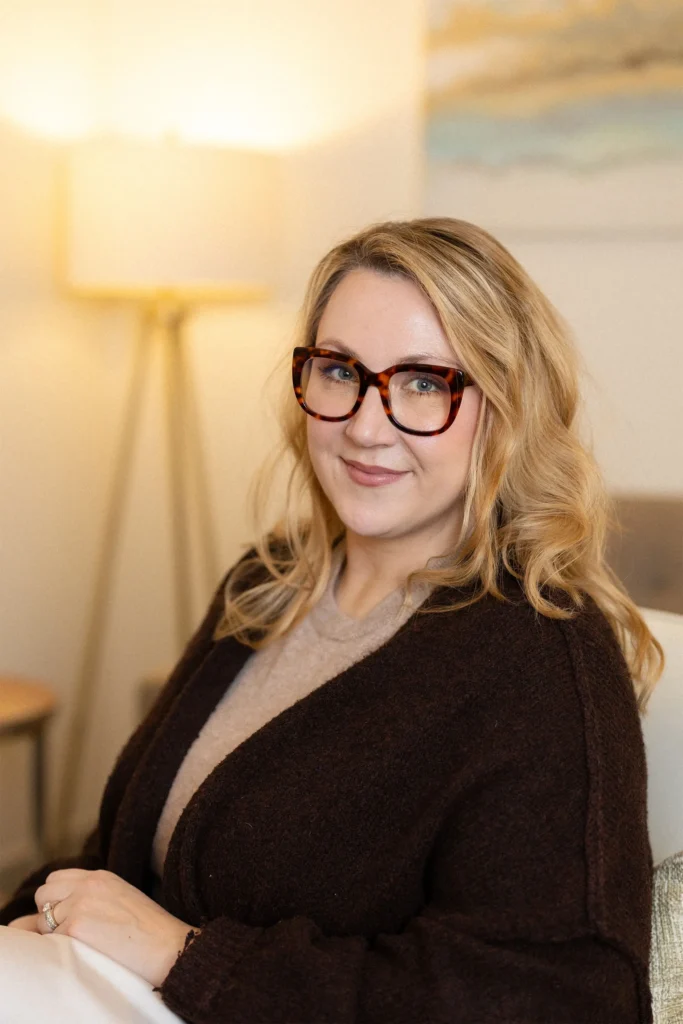
Anne Falabregues

MA, LMHC

Anxiety/Stress Depression Diagnostic Assessment Food and Body Image Distress Life & Midlife Transitions Multicultural Identities Neurodivergence - ADHD/Autism Parenting Trauma/Abuse

No insurance accepted/Private Pay only

Telehealth & In-Person

Christina Barrows

MA, LMFT, PMH-C

Anxiety/Stress Chronic Pain/ Illness Depression Food and Body Image Distress Life & Midlife Transitions Parenting Perinatal Mental Health & Fertility Struggles Work-Life Balance/ High Pressure Careers

Insurance: Premera / Private Pay Accepted

Telehealth & In-Person
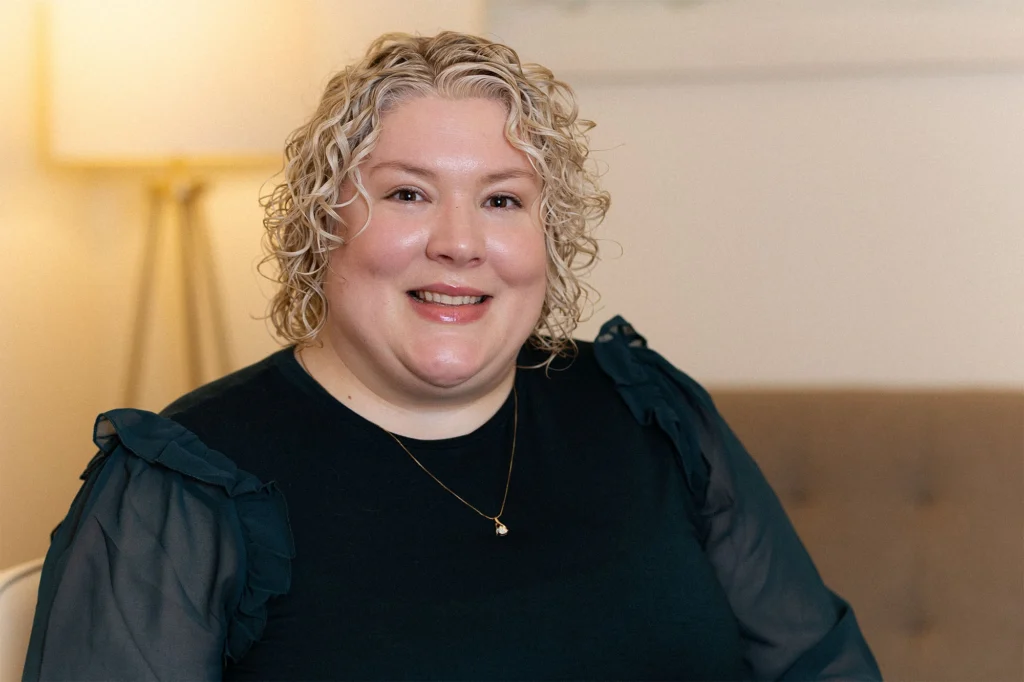
Megan Hathaway

MSW, LICSW, SUDP

Adolescents Anxiety/Stress Depression Food and Body Image Distress LGBTQIA+ / Queerness & Gender Life & Midlife Transitions Neurodivergence - ADHD/Autism Parenting Religious/ Spiritual Trauma Recovery Substance Use Disorder Trauma/Abuse

No insurance accepted/Private pay only

Telehealth & In-Person

Sarah Howbert

MA, LMFT

Adolescents Anxiety/Stress Depression Family Conflict Food and Body Image Distress Grief and Loss Neurodivergence - ADHD/Autism Parenting Relational Conflict/Distress Trauma/Abuse

Insurance: Premera and Regence / Private Pay Accepted

Exclusively Telehealth
Scroll to Top