Our Fees
Transparent about costs & coverage
Each therapist manages their own fees, insurance acceptance, and payment policies. We encourage you to ask your prospective therapist directly.
Fees & Payment
What does therapy cost?
The cost of therapy at Eastside Therapy Associates depends on the therapist you choose and their level of experience. In general, individual sessions range from $150–$200, while couples sessions typically range from $195–$250. Each therapist lists their specific fee on their personal biography page. See ‘Our Therapists’ page. Some of our therapists are also able to offer a limited number of reduced-fee appointments for clients experiencing financial hardship. If cost is a concern, we encourage you to reach out and ask—together we can explore whether a lower-fee option may be available.
How does payment work?
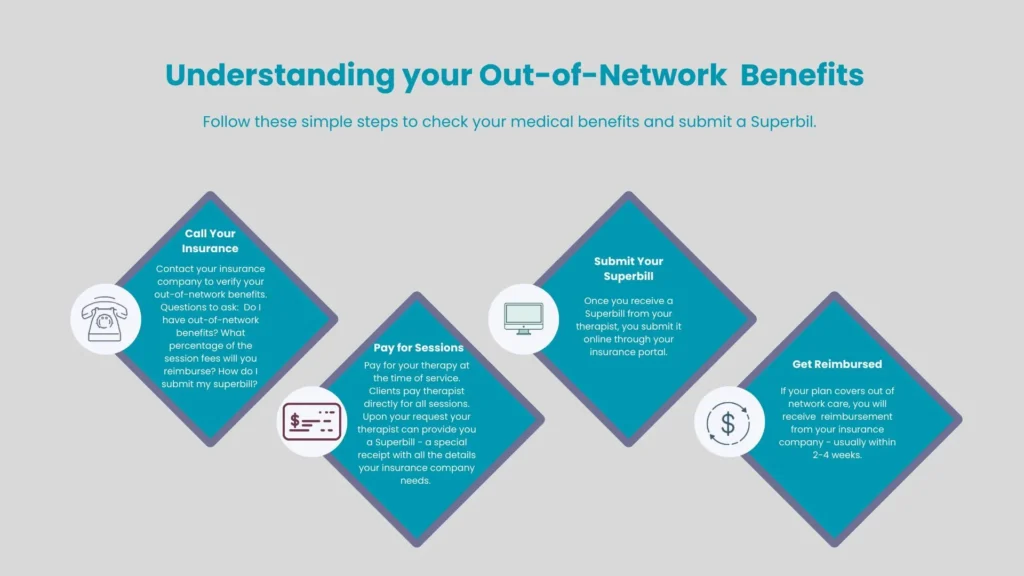
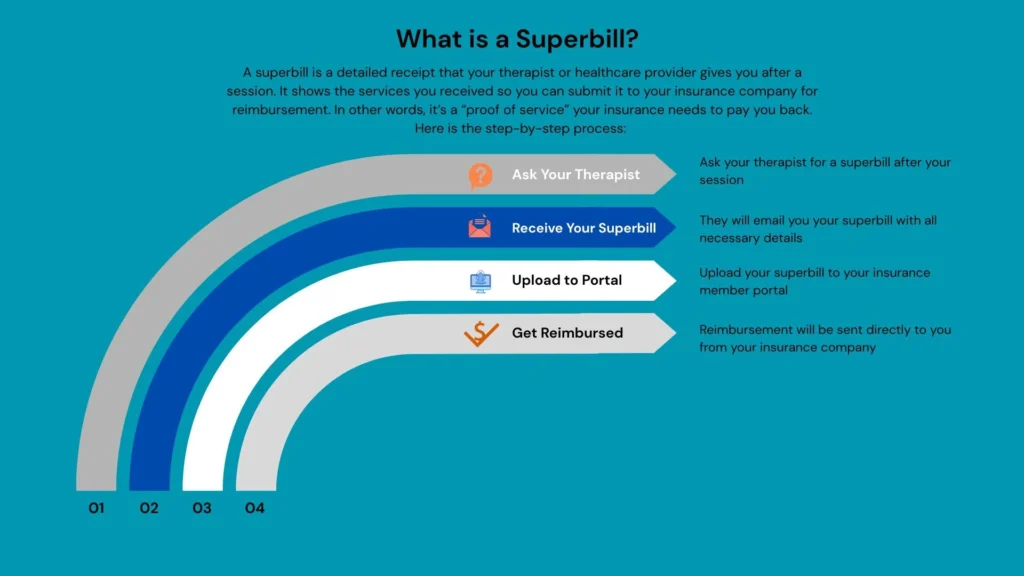
When you schedule your first appointment, we will ask you to place a method of payment (credit card, HSA card, etc.) securely on file. This card will automatically be charged after each session. For clients who plan to use out-of-network insurance benefits, we can provide monthly statements (Superbills – more information below) that include the information insurance companies usually require for reimbursement. Many insurance plans reimburse 40–80% of the cost of out-of-network therapy, though benefits vary from plan to plan. If you would like to better understand your coverage, we recommend contacting your insurance provider to ask about your out-of-network mental health benefits.
Does Eastside Therapy Associates accept insurance?
Some therapists at Eastside Therapy Associates work with insurance, while others see clients on a private-pay basis. Because each clinician manages their own practice within our group, insurance participation differs from therapist to therapist. If you hope to use insurance, the best place to start is by reviewing the therapist’s page, where you can see which plans they accept. For therapists who do not bill insurance directly, we are happy to provide Superbills each month that you can submit to your insurance company for possible reimbursement. Many clients receive partial reimbursement when using their out-of-network benefits.
Why do some therapists choose not to take insurance?
Some therapists choose to work outside of insurance networks because it allows for greater flexibility, privacy, and focus on care. When therapy is billed through insurance, clients are sometimes required to obtain referrals or prior authorizations before beginning treatment. Working outside of insurance allows you to choose the therapist who feels like the best fit without those extra steps. Insurance companies may also limit the number of sessions they will cover, which can sometimes interrupt the natural pace of therapy. Private-pay therapy allows treatment to continue for as long as it is helpful and clinically appropriate. Another important factor is confidentiality. Insurance companies typically require therapists to submit a mental health diagnosis and certain details about treatment in order to authorize care. Some clients prefer to keep this information between themselves and their therapist. Finally, working with insurance companies often requires significant administrative work and documentation. Many therapists choose to limit or avoid insurance participation so they can spend more of their time focused on client care rather than paperwork.
What is a Good Faith Estimate?
We believe it’s important for clients to have a clear understanding of the cost of therapy. At the beginning of treatment, you will receive a Disclosure Statement that explains your therapist’s session fee and outlines general expectations for scheduling, which is often weekly unless otherwise discussed. Under the No Surprises Act, people who are paying for care themselves—or choosing not to use insurance—have the right to receive a Good Faith Estimate of the anticipated cost of services. You can request this estimate at any time, including before scheduling your first appointment. To learn more about your rights related to Good Faith Estimates, visit www.cms.gov/nosurprises.