
Eastside Therapy Associates

Understanding, Healing, and Moving Forward

Trauma/Abuse & Recovery

Trauma is what happens when an experience — or a series of experiences — overwhelms the mind and body’s ability to process and recover. It is not limited to single catastrophic events. Trauma can also arise from prolonged, cumulative stress that gradually erodes a person’s sense of safety and stability — and few experiences are more erosive than abuse. Whether trauma originates from a single devastating incident or from years of harmful treatment at the hands of someone who should have been safe, its effects can ripple through every dimension of a person’s life — their mental and physical health, their relationships, their daily functioning, and their capacity to heal.

Trauma and abuse leave their marks in ways both visible and subtle. For some, the impact surfaces as flashbacks, nightmares, or intense anxiety. For others, it shows up more quietly — as chronic stress, emotional numbness, a persistent feeling of unease, or a deep-seated sense that the world is not safe and people cannot be trusted. Both trauma and abuse can erode a person’s relationship with themselves — distorting self-worth, creating shame, and making it difficult to recognize one’s own needs as valid. Over time, these experiences reshape identity and worldview, influencing choices and responses long after the original harm has passed.

Understanding Abuse

Abuse can take many forms, and not all of them leave visible marks. What they share is the use of power and control to harm, diminish, or dominate another person. Recognizing abuse can itself be a complex process — particularly when it occurs within relationships where love, dependency, or loyalty are also present.

Forms of abuse include:

Physical Abuse

The use of physical force to cause harm, fear, or injury — including hitting, pushing, restraining, or any other form of physical violence.

Emotional and Psychological Abuse

A pattern of behavior designed to undermine a person’s sense of reality, self-worth, and autonomy. This can include manipulation, gaslighting, constant criticism, humiliation, intimidation, and isolation from supportive relationships.

Sexual Abuse

Any unwanted sexual contact or behavior, including assault, coercion, or exploitation. Sexual abuse can occur within intimate partnerships, families, or other relationships — and it is never the survivor’s fault.

Childhood Abuse and Neglect

Abuse experienced in childhood — whether physical, emotional, sexual, or through neglect and abandonment — carries particular weight. When harm comes from a caregiver, it disrupts the very foundation of safety and attachment, and its effects can reverberate well into adulthood.

Domestic Violence and Intimate Partner Violence

Abuse within romantic or family relationships often involves overlapping forms of harm — physical, emotional, financial, and sexual — and is frequently characterized by cycles of tension, incident, and reconciliation that can make it difficult to leave or even to name what is happening.

Financial Abuse

Using control over money and resources to create dependency, restrict freedom, or punish. Financial abuse is a common but frequently overlooked dimension of intimate partner violence.

Cultural and Religious Abuse

The misuse of cultural norms, religious authority, or community belonging to control, shame, or silence individuals.

Institutional and Systemic Abuse

Harm perpetrated within institutions — schools, religious organizations, medical settings, or care facilities — or through systemic patterns of mistreatment tied to race, gender, disability, or other aspects of identity.

Abuse is never the fault of the person who experienced it. Survivors often carry enormous shame that belongs not to them, but to those who caused the harm. Therapy can be a place where that burden is gently and carefully set down.

Physical or sexual abuse

Including assault, rape, or domestic violence.

Accidents and serious injuries

Whether experienced directly or witnessed.

Natural disasters

Such as earthquakes, floods, or hurricanes.

Loss and grief

The death of a loved one or other profound losses.

Combat and warfare

For military personnel and civilians alike.

Childhood neglect

Emotional neglect, inadequate care, or abandonment in early life.

Witnessing violence

Traumatic impact does not require direct involvement.

Chronic stress and adversity

Prolonged exposure to ongoing hardship — including systemic discrimination, community violence, or persistent instability — can be deeply traumatizing over time.

How Therapy Can Help

Therapy plays a central role in trauma and abuse recovery, offering a safe, consistent space where healing can begin at a pace that feels manageable. A trauma-informed therapist understands that recovery is not linear — and that the goal is not simply to revisit painful experiences, but to help the whole person find their way back to safety, connection, and a reclaimed sense of self.

Rebuilding Safety and Trust

Many trauma and abuse survivors have lost trust in their own instincts, their bodies, and the people around them — often because the harm came from someone they trusted. Therapy works to restore a fundamental sense of security, beginning within the therapeutic relationship itself.

Naming and Validating the Experience

For many survivors of abuse — particularly emotional or psychological abuse — one of the first and most important steps is simply having their experience acknowledged and believed. Therapy offers a space where your reality is honored without question.

Emotional Regulation

Trauma and abuse disrupt the nervous system’s ability to manage intense emotional states. Therapy provides practical tools and strategies to help individuals regain steadiness and respond to triggers with greater calm and control.

Body-Centered Approaches

Trauma and abuse are held not just in the mind but in the body. Trauma-informed therapies such as EMDR and Somatic Experiencing help individuals reconnect with their physical selves, release stored tension, and process what has been held at a somatic level.

Healing Shame

Abuse frequently leaves survivors carrying profound shame that is not theirs to carry. Therapy provides a compassionate space to begin untangling shame from self-worth, and to slowly rebuild a sense of inherent value and dignity.

Making Meaning of the Experience

Part of trauma and abuse recovery involves gradually constructing a coherent narrative around what happened — reducing the fragmentation of intrusive memories and helping the experience feel integrated rather than overwhelming.

Repairing Attachment Wounds

For those whose trauma is rooted in early relational experiences or childhood abuse, therapy can offer an opportunity to develop healthier patterns of attachment and begin to heal the relational injuries that have shaped them.

Safety Planning and Practical Support

For individuals who are currently in or recently leaving abusive situations, therapy can include practical support around safety, boundaries, and navigating the often complex process of leaving — with compassion and without judgment.

Community and Connection

Group therapy and peer support can be powerful complements to individual work — reducing isolation, building connection, and reminding survivors that they are not alone in what they have been through.

Therapists Specializing in Trauma/Abuse

Anna Cimburek

MSW, LICSW, LMSW

Anxiety/Stress Chronic Pain/ Illness Depression Family Conflict Grief and Loss LGBTQIA+ / Queerness & Gender Life & Midlife Transitions Multicultural Identities Neurodivergence - ADHD/Autism Trauma/Abuse

No Insurance Accepted/ Private Pay Only

Telehealth & In-Person

Anne Falabregues

MA, LMHC

Anxiety/Stress Depression Diagnostic Assessment Food and Body Image Distress Life & Midlife Transitions Multicultural Identities Neurodivergence - ADHD/Autism Parenting Trauma/Abuse

No insurance accepted/Private Pay only

Telehealth & In-Person

Jolene Nell

LICSW (Washington, Oregon and Montana)

Anxiety/Stress Depression LGBTQIA+ / Queerness & Gender Life & Midlife Transitions Neurodivergence - ADHD/Autism Trauma/Abuse

No insurance accepted/Private pay only

Exclusively Telehealth

Julie Arguez

MSW, LICSW

Anxiety/Stress Depression Grief and Loss Life & Midlife Transitions Neurodivergence - ADHD/Autism Perinatal Mental Health & Fertility Struggles Relational Conflict/Distress Trauma/Abuse

Lyra EAP, Spring Health / Private Pay Accepted

Telehealth & In-Person
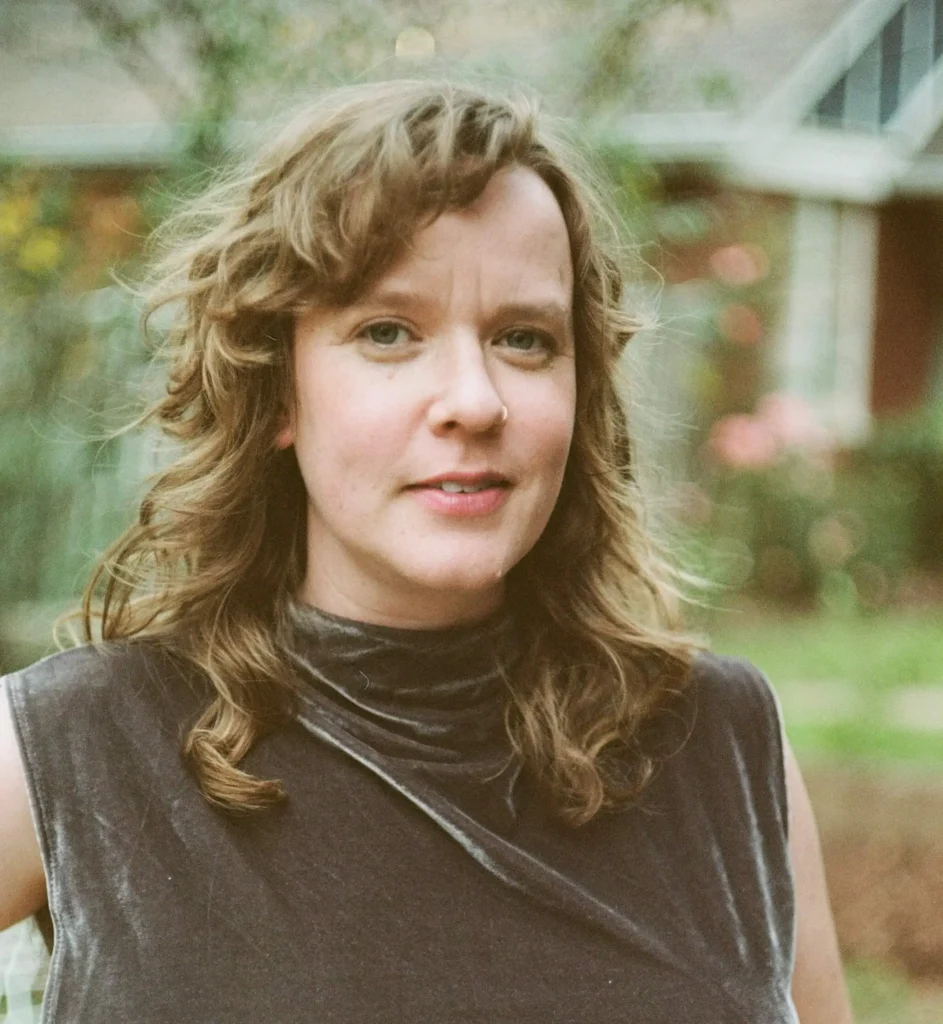
Laura O’Neill

MA, LMHC (Washington and Georgia)

Anxiety/Stress Depression LGBTQIA+ / Queerness & Gender Life & Midlife Transitions Neurodivergence - ADHD/Autism Parenting Trauma/Abuse Work-Life Balance/ High Pressure Careers

No insurance accepted / Private pay only

Exclusively Telehealth

Meagan McKee

MA, LMHC

Anxiety/Stress Couples Counseling/ Life Partners/ Premarital Family Conflict Grief and Loss Life & Midlife Transitions Multicultural Identities Relational Conflict/Distress Trauma/Abuse Work-Life Balance/ High Pressure Careers

No insurance accepted/Private Pay only

Telehealth & In-Person

Megan Hathaway

MSW, LICSW, SUDP

Adolescents Anxiety/Stress Depression Food and Body Image Distress LGBTQIA+ / Queerness & Gender Life & Midlife Transitions Neurodivergence - ADHD/Autism Parenting Religious/ Spiritual Trauma Recovery Substance Use Disorder Trauma/Abuse

No insurance accepted/Private pay only

Telehealth & In-Person

Sarah Howbert

MA, LMFT

Adolescents Anxiety/Stress Depression Family Conflict Food and Body Image Distress Grief and Loss Neurodivergence - ADHD/Autism Parenting Relational Conflict/Distress Trauma/Abuse

Insurance: Premera and Regence / Private Pay Accepted

Exclusively Telehealth

Tamami Fujiwara

MA, LMHC

Anxiety/Stress Depression Family Conflict Grief and Loss LGBTQIA+ / Queerness & Gender Life & Midlife Transitions Multicultural Identities Relational Conflict/Distress Trauma/Abuse Work-Life Balance/ High Pressure Careers

Insurance: Premera, Regence, and Lifewise / Private Pay Accepted

Telehealth & In-Person
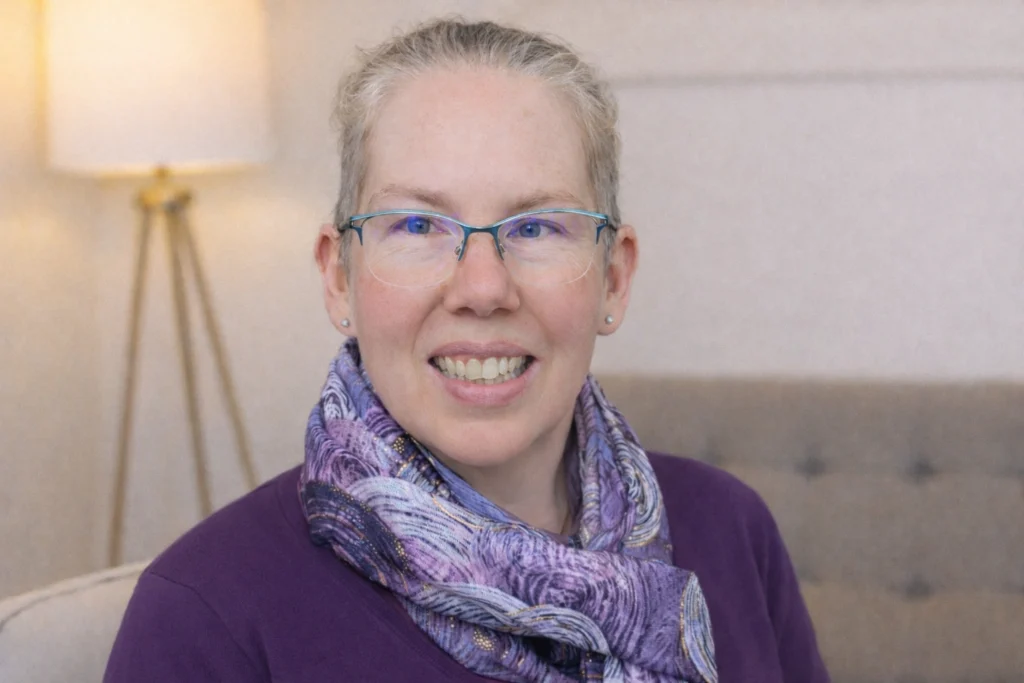
Tara Sedov

LICSW (Washington and Massachusetts)

Anxiety/Stress Depression LGBTQIA+ / Queerness & Gender Life & Midlife Transitions Parenting Relational Conflict/Distress Trauma/Abuse Work-Life Balance/ High Pressure Careers

No insurance accepted/Private pay only

Exclusively Telehealth
Scroll to Top